

 Download PDF
SDR CUI
Document overview
- PDF pages: 3
Technical content
Page 1
date 01/30/2012 page 1 of 3
SERIES: SDR DESCRIPTION: STANDARD DIN CONNECTOR
FEATURES
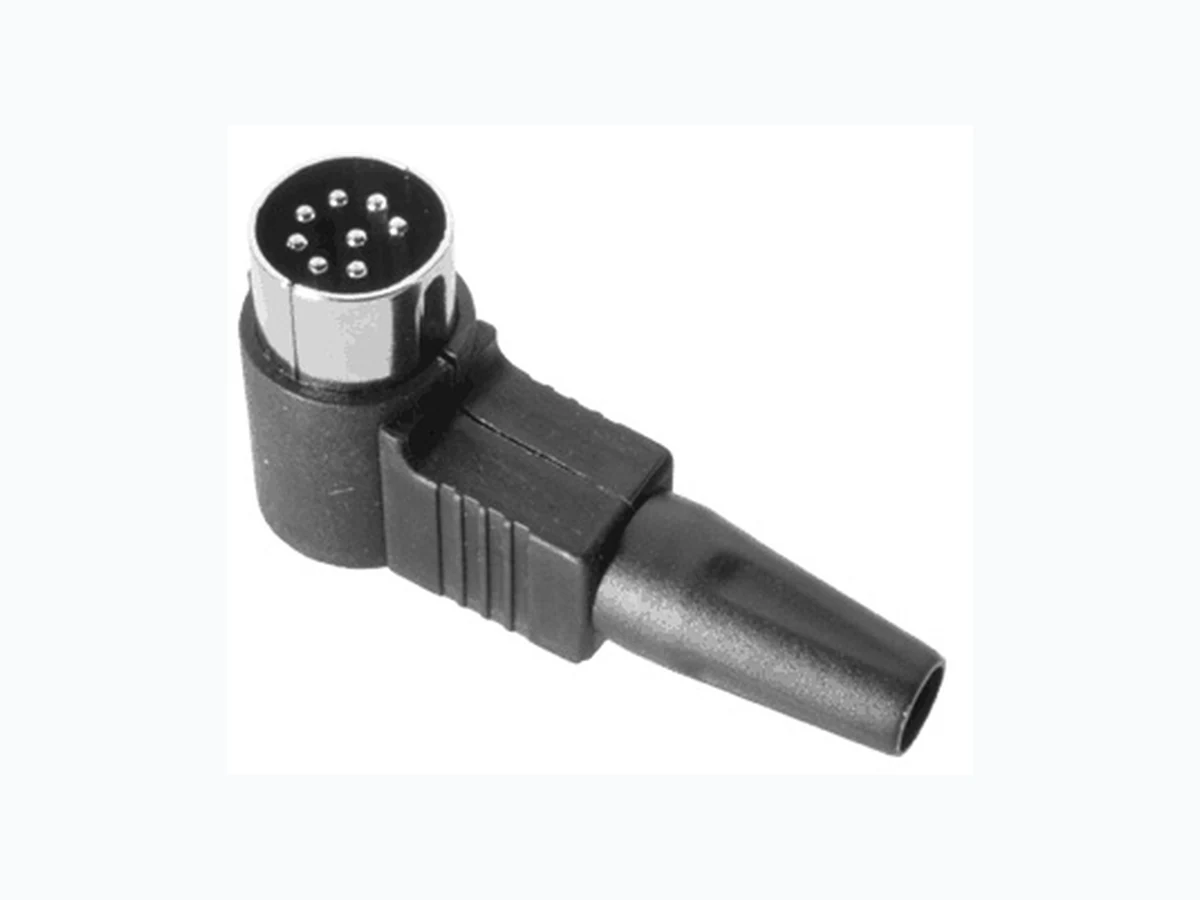
- right angle
- metal bushing
- strain relief
RoHS
PART NUMBER KEY
SDR - X X
Base Number
Pin Options 30 = 3 pins 50 = 5 pins 60 = 6 pins 70 = 7 pins 80 = 8 pins
SPECIFICATIONS
parameter
conditions/description
min
typ
max
units
rated input voltage
100
Vac
rated input current
1
A
contact resistance
30
mΩ
insulation resistance
at 500 Vdc
100
MΩ
voltage withstand
for 1 minute
250
Vac
operating temperature
-20
70
°C
life
5,000
cycles
cui.com
Page 2
STANDARD DIN CONNECTOR
CUI Inc SERIES: SDR DESCRIPTION:
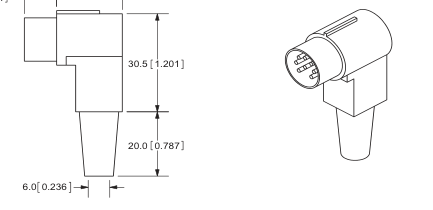
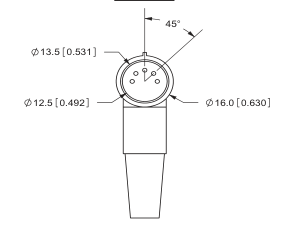
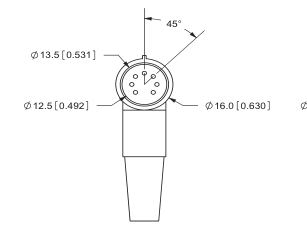
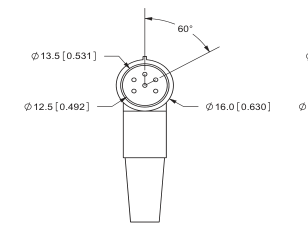
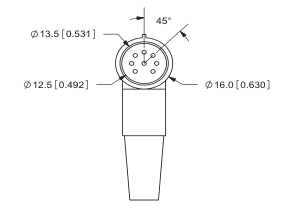
MECHANICAL DRAWINGS
units: mm[inches]
TOLERANCE: ±0.2mm
18.3 0.720
9.0 0.354
date 01/30/2012 page 2 of 3
MATERIAL
PLATING
pins
brass
nickel
shell contact 1
steel
nickel
shell contact 2
steel
nickel
cap
polyethylene
insulator
ABS resin
cable protector
PVC
SDR-50
SDR-30
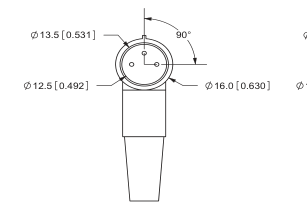
SDR-60
SDR-70
SDR-80
cui.com
Page 3
STANDARD DIN CONNECTOR
CUI Inc SERIES: SDR DESCRIPTION:
date 01/30/2012 page 3 of 3
REVISION HISTORY
| rev. | description | date |
|---|---|---|
| 1.0 | initial release | 09/01/2006 |
| 1.01 | new template applied | 01/30/2012 |
The revision history provided is for informational purposes only and is believed to be accurate.
Headquarters 20050 SW 112th Ave.
Fax 503.612.2383
Tualatin, OR 97062
cui.com
800.275.4899
techsupport@cui.com
CUI offers a one (1) year limited warranty. Complete warranty information is listed on our website.
CUI reserves the right to make changes to the product at any time without notice. Information provided by CUI is believed to be accurate and reliable. However, no responsibility is assumed by CUI for its use, nor for any infringements of patents or other rights of third parties which may result from its use.
CUI products are not authorized or warranted for use as critical components in equipment that requires an extremely high level of reliability. A critical component is any component of a life support device or system whose failure to perform can be reasonably expected to cause the failure of the life support device or system, or to affect its safety or effectiveness.